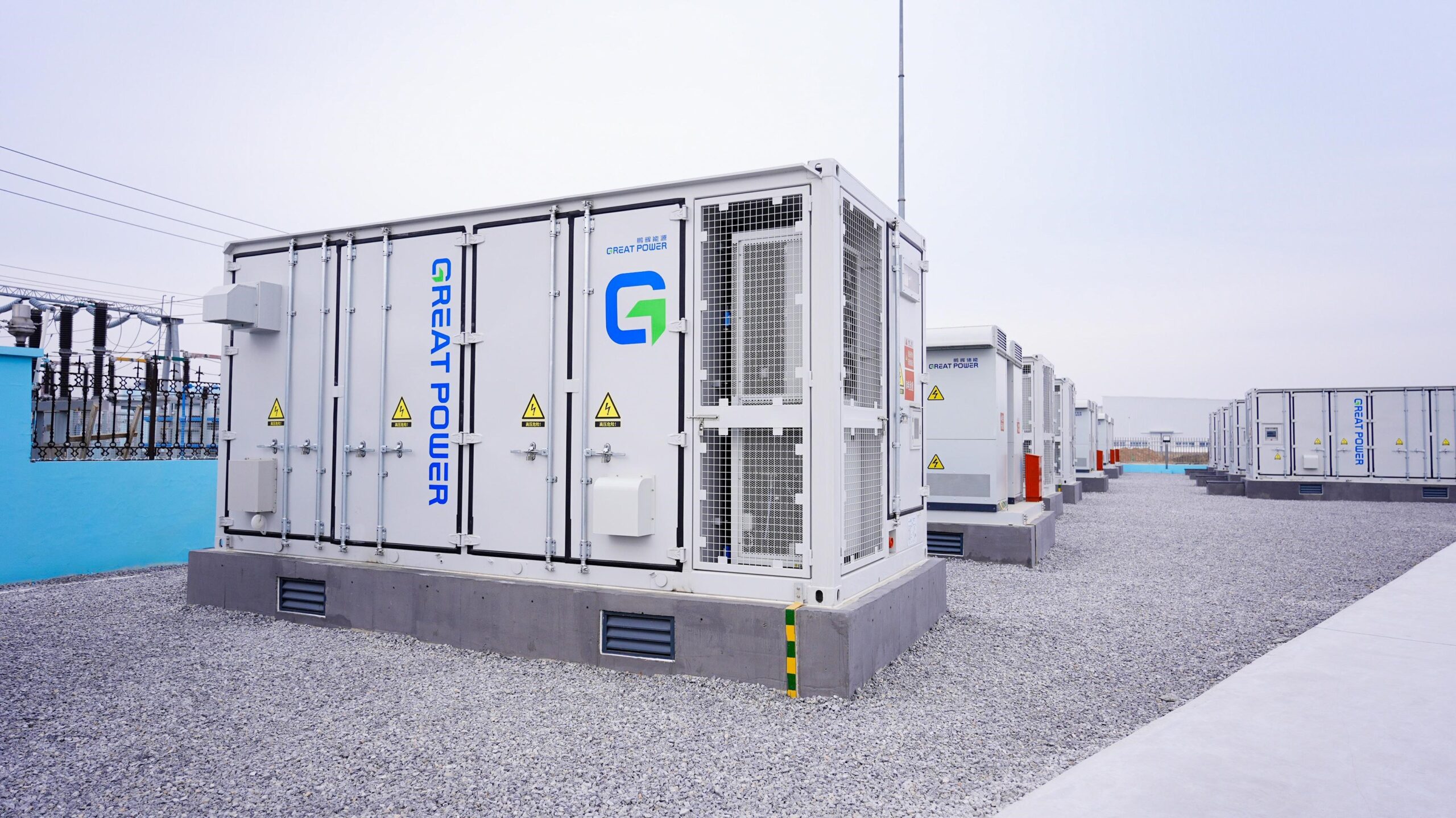
 A custom lithium ion battery solution helps manufacturers address specific power requirements, while a rechargeable Li-ion Battery can support products that require repeated daily charging and discharging. These battery products support devices that require customized dimensions, electrical characteristics, and rechargeable operation.The Growing Importance of Advanced Battery SolutionsEnergy storage is no longer limited to traditional consumer electronics. From smart devices to industrial equipment, batteries must adapt to different operating environments, size limitations, and performance expectations.Battery developers are focusing on improving energy efficiency, durability, and safety while creating solutions that match the needs of various applications. The ability to customize battery structures and specifications has become a significant advantage for companies seeking dependable power solutions.A custom lithium ion battery allows manufacturers to optimize capacity, voltage, dimensions, and overall design according to product requirements. This flexibility supports applications where standard battery formats may not provide the ideal balance between performance and space utilization.Rechargeable technologies also continue to influence the future of sustainable energy usage. A secondary li ion battery can be repeatedly charged and discharged, making it suitable for products that require long-term operation without frequent replacement.How Great Power Supports Evolving Energy Storage DemandsWith extensive experience in battery development, Great Power focuses on providing energy solutions that align with changing market requirements. The company’s approach emphasizes battery reliability, application flexibility, and continuous improvement in energy storage technology.Modern customers often require batteries that can operate efficiently across different environments. Whether used in portable devices or larger energy-related applications, battery systems must maintain consistent performance while meeting design and operational expectations.The development of advanced battery solutions involves careful consideration of materials, manufacturing processes, and quality management. These factors influence the final performance of energy storage products and determine their suitability for different markets.As industries continue moving toward smarter and more efficient power systems, battery manufacturers need to provide solutions that combine technical capability with practical usability. This demand encourages continuous innovation throughout the battery supply chain.The Role of Rechargeable Battery Technology in Modern ApplicationsRechargeable lithium-ion technology has become widely adopted because it offers a practical balance between energy density, usability, and lifecycle performance. Many electronic products depend on rechargeable battery systems to support mobility and convenience.A secondary li ion battery plays a key role in reducing the need for disposable power sources. Its rechargeable characteristics allow users to operate devices repeatedly while improving overall resource efficiency.In addition to consumer electronics, rechargeable battery technology supports broader applications where dependable energy storage is necessary. Equipment designers increasingly consider battery performance during the early stages of product development because energy systems directly influence user experience.Battery customization has also become increasingly important as product categories continue expanding. Different devices may require unique battery shapes, capacities, or electrical characteristics, which makes flexible manufacturing capabilities valuable.A custom lithium ion battery can help address these challenges by providing solutions designed around specific product requirements. Instead of adjusting a product around a fixed battery format, manufacturers can develop battery systems that better match their intended applications.Meeting Future Challenges in Global Energy StorageThe global energy storage industry faces several challenges, including increasing demand for efficiency, improved safety standards, and more diverse application scenarios. Battery providers must continue developing technologies that respond to these changing expectations.Great Power’s consumer battery portfolio includes rechargeable products and customizable solutions for different device requirements. Comprehensive development processes, application knowledge, and attention to customer requirements all contribute to creating reliable battery products.Future energy systems will likely depend on a combination of renewable generation and advanced storage technologies. As solar power, smart devices, and electrified equipment continue growing, batteries will remain a critical component in maintaining reliable energy availability.The ability to provide adaptable battery solutions will become increasingly important. Companies that understand application differences can better support customers looking for efficient and practical energy storage options.ConclusionThe development of global energy storage solutions depends on battery technologies that can meet diverse requirements across industries. Custom designs, rechargeable capabilities, and dependable performance are essential factors shaping the next generation of energy systems.A secondary li ion battery continues to support the transition toward reusable energy solutions, while a custom lithium ion battery provides the flexibility needed for specialized applications. Together, these technologies help create more adaptable and efficient power systems.Great Power supports different consumer battery applications through rechargeable products, established battery formats, and customization services. Future consumer products will continue to require battery designs that balance size, capacity, discharge performance, safety requirements, and production consistency.
Hallo! Ich bin Gourav Singh, Gründer von PromiTrend.de – Dein Puls für die Welt der Stars und Trends. Meine Leidenschaft ist es, spannende Geschichten und aktuelle News aus der Welt der Promis und Trends auf den Punkt zu bringen. Mit einem Fokus auf gründliche Recherche und authentische Inhalte sorge ich dafür, dass unsere Leser immer bestens informiert sind.
Wenn ich nicht gerade über die neuesten Stars und Hypes schreibe, experimentiere ich mit kreativen Ideen, um PromiTrend.de noch besser zu machen.
Bleib dran – die nächste spannende Story wartet schon!