Irrigation equipment selection depends on how farms obtain electricity and distribute water. Greenhouses, remote fields, and livestock facilities often have different pumping schedules. Some require continuous pressure, while others can operate mainly during daylight hours.
Choosing a vfd for pump instead of solar-powered equipment depends on grid availability, irrigation timing, and water demand. Farmers should compare these operating conditions before selecting a drive, rather than focusing only on equipment price or motor power.
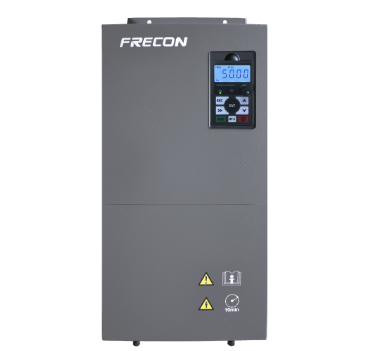
Which Farms Benefit from Conventional Variable Frequency Drives
Greenhouses with stable grid connections often require controlled water pressure throughout the day. Irrigation schedules may change according to crop growth, temperature, and cultivation methods. Conventional variable frequency drives can adjust pump speed to match these requirements when connected to suitable control equipment.
Large agricultural facilities with multiple irrigation zones also experience changing water demand. Different sections may operate at separate times. Pressure sensors and properly configured drives can help regulate pump output as valves open or close.
Livestock farms may require water for drinking, cleaning, and equipment operation. When pumping must continue after sunset, grid-powered drives provide a practical option. Their operation does not depend directly on available sunlight.
Solar Irrigation for Remote Agricultural Land
Remote farms often face difficulties accessing electrical infrastructure. Extending grid connections across agricultural land can involve additional installation costs. Solar pumping offers an alternative for sites with sufficient sunlight and suitable irrigation schedules.
A solar water pump inverter converts photovoltaic power into controlled electrical output for compatible pump motors. Its selection depends on solar array characteristics, motor specifications, pumping head, and daily water requirements.
Farms growing seasonal crops may benefit from daytime pumping. Water can be transferred into storage tanks during sunny periods and distributed later. This arrangement reduces the need to operate pumps continuously during evening irrigation.
However, solar pumping capacity changes with weather conditions. Farmers should evaluate seasonal sunlight variation and storage requirements before selecting equipment for agricultural water supply.
How Hybrid Power Arrangements Support Irrigation
Some agricultural facilities have solar panels alongside grid electricity or generator power. These sites may require pumping during cloudy periods or outside normal daylight hours. Power availability therefore becomes an important part of equipment selection.
A hybrid vfd can be considered when the equipment supports the intended combination of power sources. Buyers should confirm input compatibility, source switching functions, and operating limitations through technical documentation.
Hybrid arrangements may suit farms with variable irrigation schedules and access to supplementary electricity. However, additional electrical components can increase installation complexity. The system design should reflect actual operating needs rather than assuming multiple power sources are necessary.
Solar Pump Functions for Changing Field Conditions
Sunlight variation affects photovoltaic pumping performance. Morning radiation may be insufficient for normal operation, while passing clouds can reduce available power during irrigation. Automatic operating controls can help equipment respond to these conditions.
For example, FRECON provides the PV600 Series Solar Pump Inverter with dormancy and wake-up functions. The inverter automatically enters dormancy or resumes operation according to sunlight intensity. This feature supports agricultural pumping where photovoltaic power changes throughout the day.
The series also includes over-current, over-voltage, phase loss, short-circuit, and over-temperature protection. These functions address electrical operating risks that may occur during pump operation.
Its recording functions track total generated energy in kWh, water flow in cubic meters, and operating time in hours. Dry-run protection and tank water level control are also supported, helping operators monitor pumping activity and manage water storage.
Water Sources and Pumping Requirements Matter
Water source conditions can significantly influence drive selection. Deep-well irrigation requires sufficient pumping head to lift water from underground. Surface-water systems may involve different pipeline lengths, suction conditions, and distribution pressures.
Farmers should calculate required flow rates and total dynamic head before comparing equipment. Pump performance curves help determine whether a selected motor and drive can support the intended operating range.
For farms with reliable electricity and frequently changing pressure requirements, a vfd for pump may provide suitable speed regulation. Remote installations with predictable daytime irrigation may instead benefit from photovoltaic pumping equipment.
Water storage also affects this decision. Farms with adequate storage capacity can separate pumping hours from irrigation hours. Facilities requiring direct, continuous water delivery may need a more consistent electricity supply.
What Should Agricultural Buyers Verify
Before purchasing equipment, buyers should review motor voltage, rated current, operating frequency, and pump compatibility. Electrical supply conditions and existing control equipment also require examination.
When evaluating a hybrid vfd, farmers should verify supported power inputs and control functions. Hybrid operation should not be assumed without confirming the manufacturer’s specifications and installation requirements.
For solar-powered projects, FRECON offers the PV600 series with sunlight-responsive operation and water management functions. Buyers can compare these features with actual irrigation schedules, water source conditions, and maintenance requirements.
Choosing Equipment Around Farming Operations
In comparison, a solar water pump inverter is more suitable for remote farms with limited grid access, sufficient sunlight, and flexible irrigation schedules. When choosing between the two, farmers should consider power availability, water demand, pumping head, and operating costs to determine which solution best fits their irrigation needs.
