Rapid identification of viral pathogens during seasonal outbreaks requires precise matching of analytical tools with disease kinetics. Medical laboratories frequently evaluate nucleic acid amplification, antigen detection, and serology to establish accurate patient management pathways.
Selecting appropriate methodologies involves balancing turnaround time, equipment infrastructure, and clinical sensitivity across varying stages of illness, ensuring that healthcare providers receive actionable data promptly.
Effective triage protocols depend heavily on understanding how viral markers evolve from initial symptom onset through convalescence. Healthcare providers select advanced diagnostic tests for dengue to capture acute viremia or identify subsequent immune responses without diagnostic gaps.
Laboratory directors must weigh cost-effectiveness alongside analytical precision when upgrading institutional diagnostic capabilities to address recurring public health challenges effectively.
Clinical Kinetics and Target Biomarkers Across Infection Phases
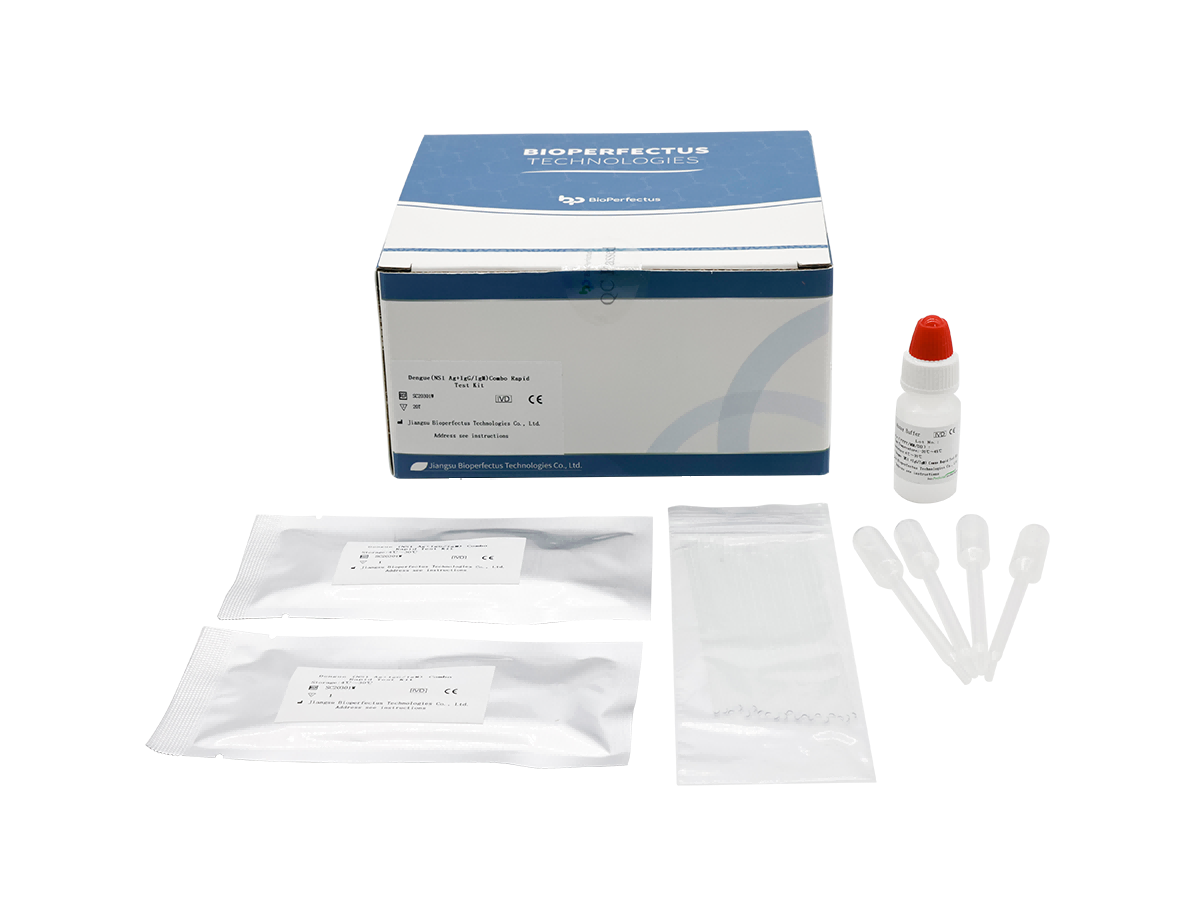
Viral replication cycles dictate the clinical efficacy of molecular and antigen-based detection assays during acute phases of infection. Circulating non-structural protein one circulates abundantly within days one through nine following primary or secondary exposure events. Utilizing a reliable dengue test kit allows frontline facilities to capture acute cases rapidly without complex instrumentation or prolonged waiting times for patients.
Processing specimens with an approved dengue test kit allows laboratories to obtain visual results within fifteen minutes. Technicians handle human serum or plasma specimens directly onto lateral flow cassettes to establish rapid screening workflows. Such operational velocity facilitates immediate patient isolation and supportive care management in hyperendemic regions where rapid clinical decisions are paramount.
Molecular Amplification Versus Rapid Antigen Detection
Nucleic acid amplification techniques offer unmatched analytical sensitivity for detecting viral RNA during early viremic infection windows. Reference facilities deploy real-time polymerase chain reaction assays to quantify pathogen load and identify specific viral serotypes with absolute molecular fidelity. However, thermal cyclers demand strict containment infrastructure, specialized technical training, and reliable electrical supplies to operate without interruption.
Point-of-care immunoassays overcome infrastructural hurdles by delivering dependable screening results outside centralized reference networks and hospital laboratories. Manufacturers like BioPerfectus engineer robust lateral flow devices that function efficiently under challenging ambient temperatures. Rural healthcare centers rely on these accessible tools to maintain diagnostic coverage without requiring heavy capital investments in specialized equipment.
Role of Serological Immunoassays in Past and Secondary Infections
Immunoglobulin class characterization provides critical retrospective insights into patient infection histories and evolving epidemiological transmission trends. IgM antibodies typically emerge five to ten days after primary exposure, whereas IgG molecules persist for years within the human body. Evaluating dual antibody markers helps epidemiologists map community-wide seroprevalence and differentiate primary infections from secondary exposures accurately.
Comprehensive diagnostic panels combine antigen detection with antibody screening to capture every phase of the disease cycle. Implementing reliable diagnostic tests for dengue ensures that laboratories miss neither acute viremia nor late-stage immune responses during complex clinical evaluations. Quality control procedures verify strip integrity and minimize false-positive risks resulting from non-specific cross-reactivity with other circulating pathogens.
Practical Procurement and Workflow Integration Considerations
Hospital administrators must evaluate total operational costs, consumable shelf life, and storage temperature requirements before finalizing procurement supply contracts. Reagents maintaining stability between four and thirty degrees Celsius simplify inventory management in decentralized distribution hubs. Packaging configurations containing twenty-five units per kit allow facilities to scale consumption based on shifting seasonal admission rates and testing demands.
Regulatory compliance and international certifications validate product safety and clinical reliability for institutional procurement boards operating globally. BioPerfectus adheres to stringent manufacturing standards that guarantee high batch-to-batch consistency across international distribution channels. Laboratory managers review validation documentation closely to ensure seamless integration into existing quality management frameworks and clinical governance structures.
Optimizing Multi-Modal Surveillance Strategies
Public health networks achieve optimal epidemiological surveillance by deploying complementary diagnostic tiers across regional healthcare facilities. Primary clinics utilize rapid immunochromatographic screening to triage suspected cases, while reference centers confirm ambiguous samples via molecular amplification workflows. This coordinated architecture prevents system bottlenecks and enhances regional disease containment effectiveness during widespread community outbreaks.
Continuous reagent innovation remains vital as viral mutation patterns challenge conventional detection targets across various global regions. Researchers continually refine diagnostic tests for dengue to capture emerging genetic variations and maintain high sensitivity thresholds. Institutional buyers collaborating with BioPerfectus secure long-term access to cutting-edge diagnostic solutions tailored specifically for modern vector-borne disease control programs.
Strengthening Future Vector-Borne Preparedness
Sustaining robust disease defense mechanisms requires ongoing personnel training, strict adherence to operating procedures, and proactive supply chain management strategies. Healthcare institutions adopting a standardized dengue test kit protocol position themselves to manage unexpected caseload surges with absolute confidence. Forward-thinking diagnostics integration safeguards vulnerable communities against expanding vector-borne health threats and epidemiological surprises.
