Passenger capacity is not simply a matter of fitting more seats into a vehicle. Axle loads, battery placement, luggage weight, and passenger distribution all affect how an intercity bus performs. These factors become particularly important when operators select an electric intercity bus for routes with frequent stops and changing passenger numbers.
Fleet managers need to understand how vehicle weight moves between axles during operation. Careful planning helps maintain legal weight limits, passenger comfort, and stable handling. The process begins with the vehicle’s basic configuration and continues through seating design, luggage management, and daily loading practices.
How Axle Loads Affect Vehicle Performance
Axle load refers to the weight transferred to the road through a particular axle. Front and rear axles carry different portions of the vehicle’s total mass. Their loads depend on component placement, wheelbase, passenger positions, and luggage distribution. Engineers must consider these relationships before determining a suitable passenger capacity.
Electric buses have additional weight considerations because traction batteries form a significant part of the vehicle structure. Battery location influences the center of gravity and the load carried by each axle. Placing heavy components appropriately can support balanced handling without reducing valuable passenger space unnecessarily.
Uneven weight distribution can affect steering response, braking behavior, and tire wear. Excessive loading on one axle may also exceed its permitted rating, even when total vehicle mass remains acceptable. Operators should therefore examine individual axle limits rather than relying only on gross vehicle weight.
Passenger Capacity Requires More Than Seat Counts
Seating layouts determine how passengers occupy the available interior space. Higher seat density may increase capacity, but it can reduce legroom, aisle clearance, and luggage accommodation. Intercity operators should select configurations based on journey duration, passenger expectations, and actual route demand.
Passenger weight must be included in loading calculations. Engineers typically apply the mass assumptions required by the relevant vehicle regulations. These calculations should account for the intended seating arrangement and operating conditions. Full occupancy creates different axle loads from a lightly occupied vehicle.
Accessibility also affects interior planning. Door positions, entrance steps, passenger circulation, and designated accessibility spaces may influence seat placement. Operators should examine these features alongside capacity targets, particularly when vehicles serve passengers with mobility needs or carry groups with substantial luggage.
Battery Placement and Structural Balance
Traction batteries affect vehicle mass and available installation space. Their position should be considered together with the electric motor, passenger compartment, and luggage storage. Engineers evaluate how these components contribute to front and rear axle loads under different loading conditions.
Battery placement can also influence vehicle stability. Heavy equipment positioned lower in the structure may reduce the vehicle’s center of gravity, depending on the overall design. However, battery protection, cooling access, structural requirements, and maintenance space must also be considered.
Weight distribution should be reviewed during vehicle specification rather than after delivery. Procurement teams can request axle load data for unladen and fully loaded conditions. Comparing these values helps identify whether the proposed seating and battery configurations suit the intended service.
A Practical Example for Intercity Fleets
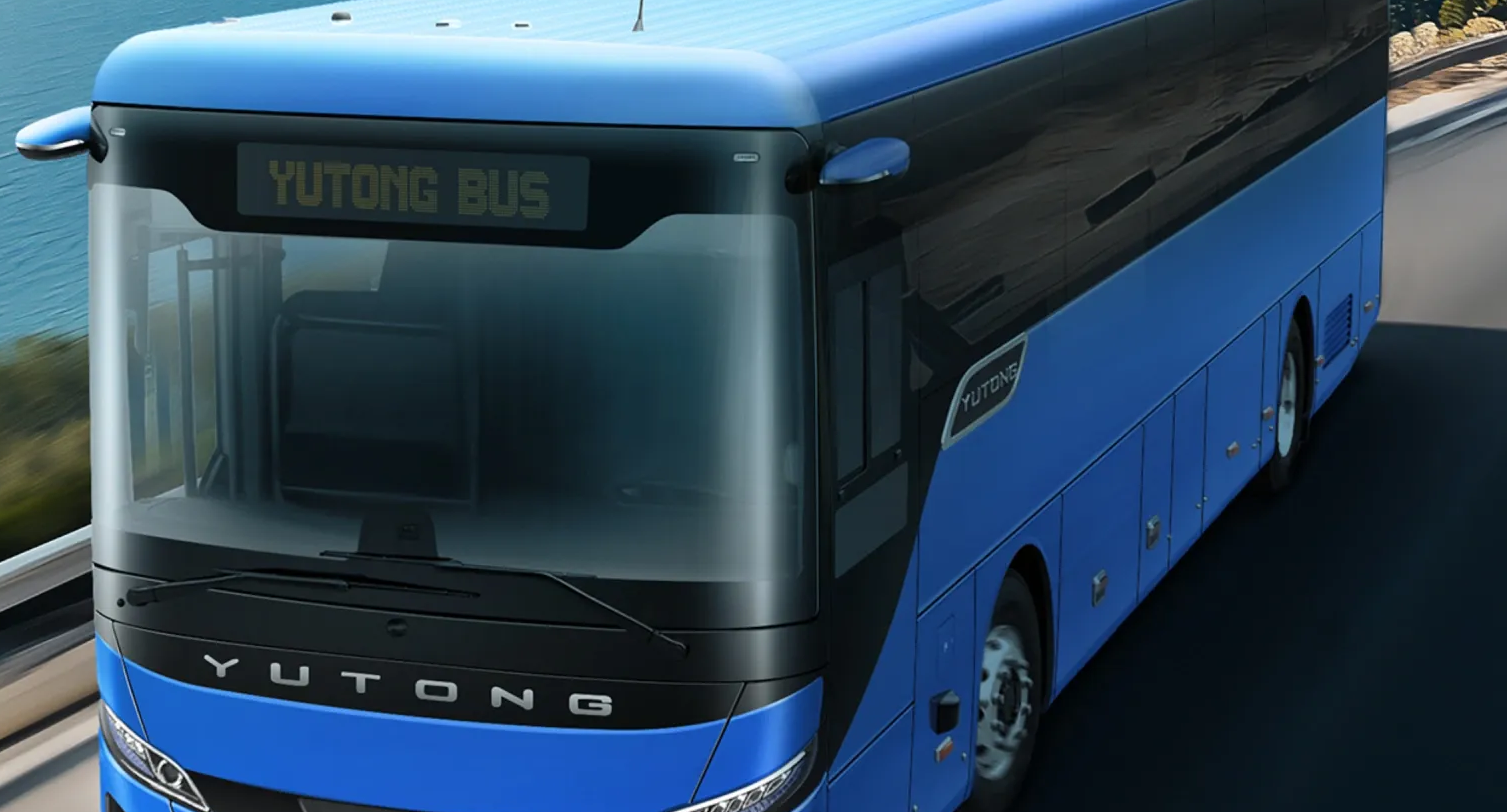
These considerations are relevant when examining current battery-electric vehicles. Yutong Bus offers the IC12E(2026), a battery-electric intercity model developed for passenger capacity, travel comfort, and efficient operation. Its design addresses the demands of regional passenger transport, where seating requirements and vehicle performance must be considered together.
The IC12E combines electric propulsion with a passenger-focused interior. Its capacity-oriented design makes it relevant to operators reviewing fleet expansion or vehicle replacement. However, procurement teams should confirm the applicable seating arrangement, permissible axle loads, and luggage allowances before selecting a configuration. These details determine whether the vehicle fits their operating requirements.
Vehicle suppliers can support this evaluation through technical documentation. For example, Yutong Bus provides product information for its intercity range. Buyers should request configuration-specific weight data and clarify how seating options affect the permitted payload. This creates a more reliable basis for comparing vehicles than seat capacity alone.
Loading Conditions Change During Operation
Intercity vehicles rarely operate with identical passenger loads throughout the day. Morning services may carry full passenger groups, while later journeys have fewer occupants. Passenger movement and changing luggage quantities alter the weight distribution between axles, particularly when loading areas are concentrated near one end.
Luggage deserves separate attention because its position can increase the load on a particular axle. Operators should review compartment limits and establish practical loading procedures. Heavy baggage should remain within designated storage areas, with distribution guided by the manufacturer’s instructions.
Daily inspections can help identify irregular loading conditions. Drivers should check luggage placement, visible suspension problems, and tire condition before departure. Fleet managers can also use actual passenger counts and baggage patterns to review whether the selected vehicle capacity matches regular service demand.
What Fleet Buyers Should Verify
Procurement teams should request the vehicle’s permissible gross mass, individual axle ratings, and weight figures for the proposed configuration. These values must be assessed against passenger capacity, luggage requirements, and local operating regulations. The relevant approval documents should match the vehicle specification being purchased.
Suspension and braking systems also deserve attention. Their performance depends partly on loading conditions and vehicle configuration. Buyers should review manufacturer documentation and confirm that the specified equipment supports the intended operating environment, including routes with gradients or frequent braking.
Balancing Capacity With Operational Requirements
Selecting an electric intercity bus requires a balance between seating capacity, axle loading, passenger comfort, and practical operating needs. Higher capacity is useful only when the vehicle remains within its permitted weight limits under realistic loading conditions.
Fleet operators should compare configuration-specific documents, examine expected passenger and luggage loads, and confirm local compliance requirements. These steps support informed purchasing decisions and help maintain consistent vehicle performance throughout daily intercity operations.
